The Midnight Hour
The Midnight Hour
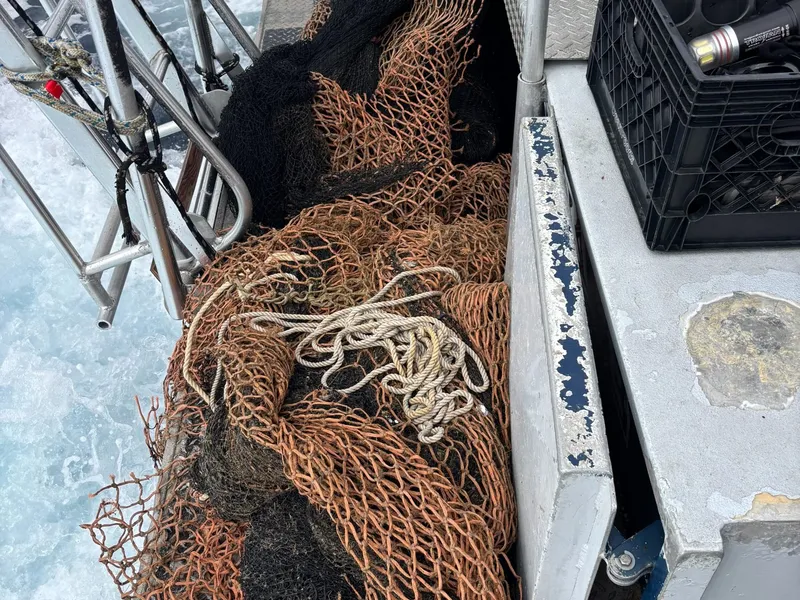
Mission impact: Approximately 75 pounds of net (roughly 200 square feet) removed from the Midnight Hour, plus a lost water ski recovered on the ride home.

Projectsactive
A 61-foot squid boat that sank in 2011 and now rests on her starboard side as a thriving artificial reef. In 2026 it became our newest active project.
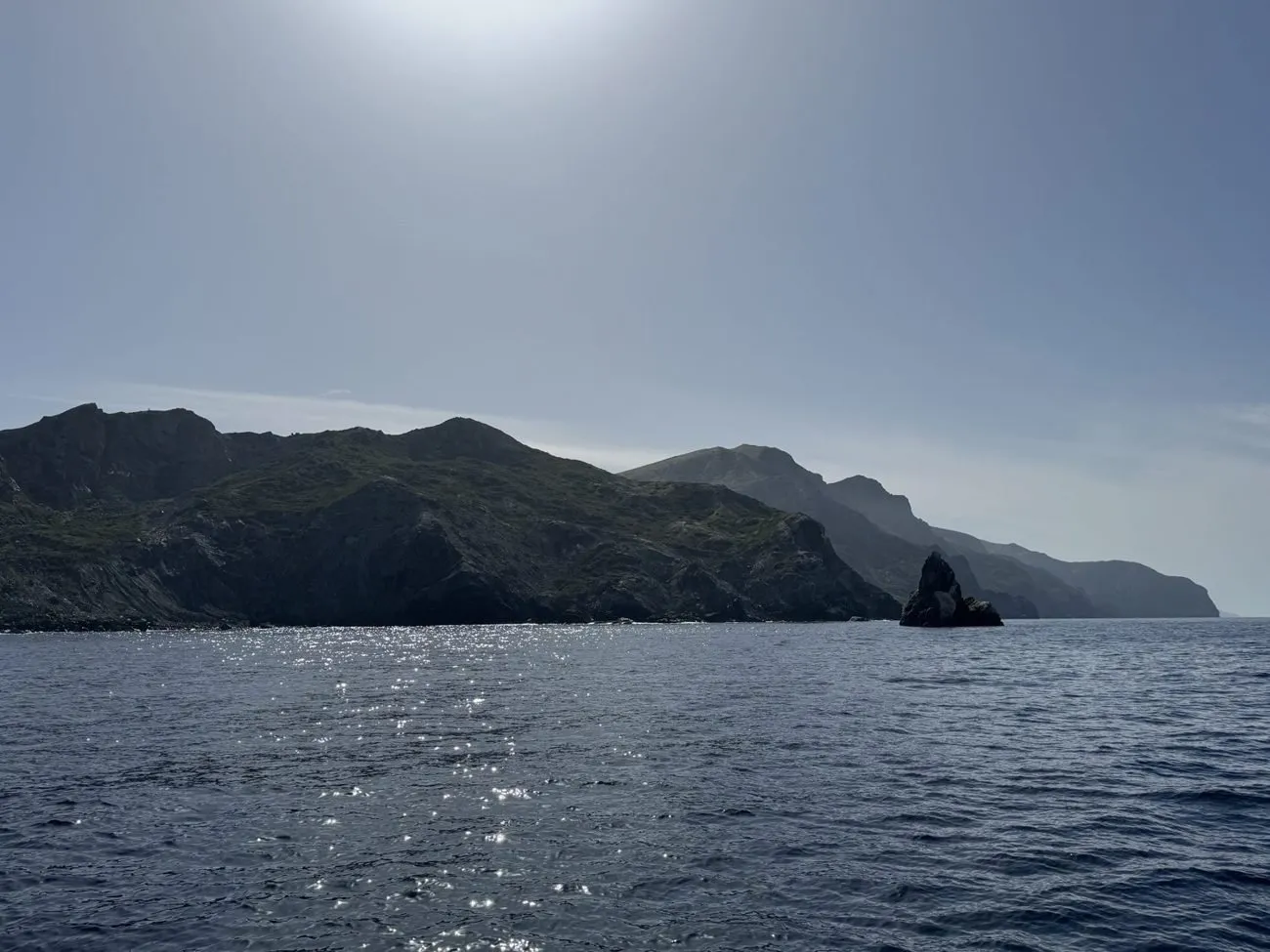
The Midnight Hour was a 61-foot commercial squid fishing boat, built in 1958 and based out of San Pedro. On the night of August 30, 2011, she sank off the West End of Catalina Island, near Eagle Rock, settling onto a sandy bottom in about 100 feet of water. All six crew members aboard were safely rescued, and the cause of the sinking was never officially determined.
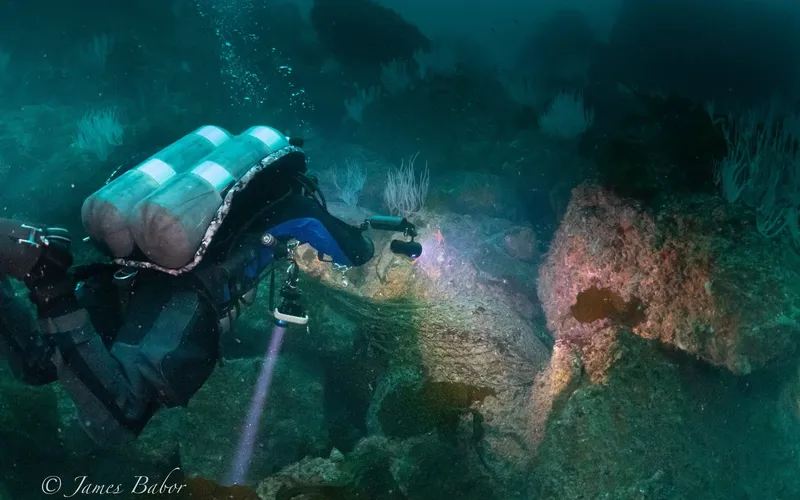
The wreck remains largely intact, resting on her starboard side. The hull has since become a thriving artificial reef, and divers working the site are often greeted by numerous species of marine life.
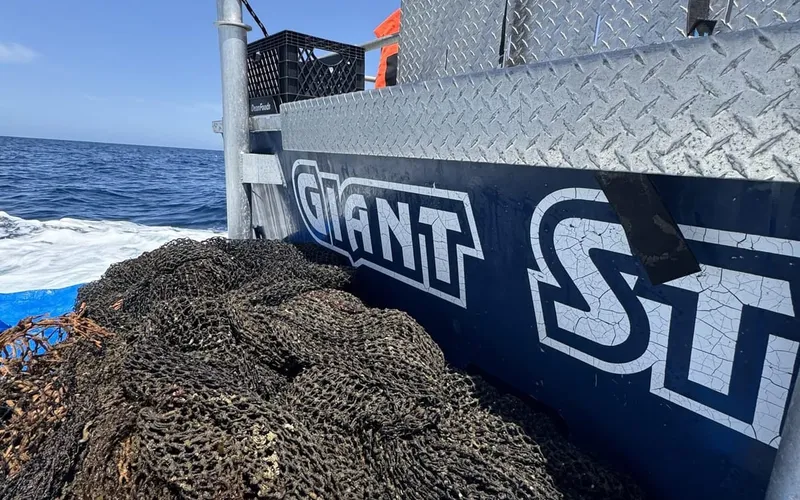
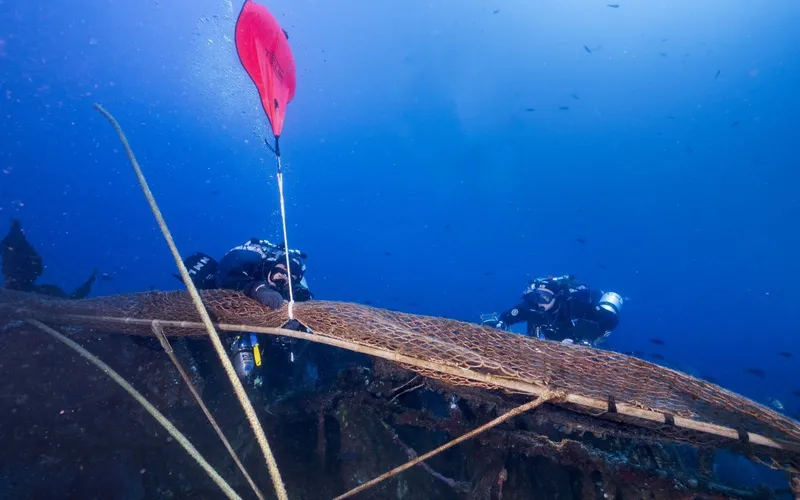
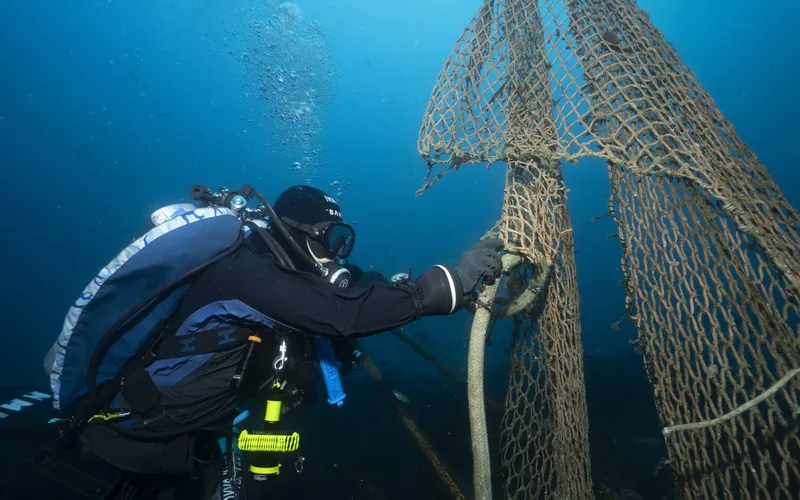
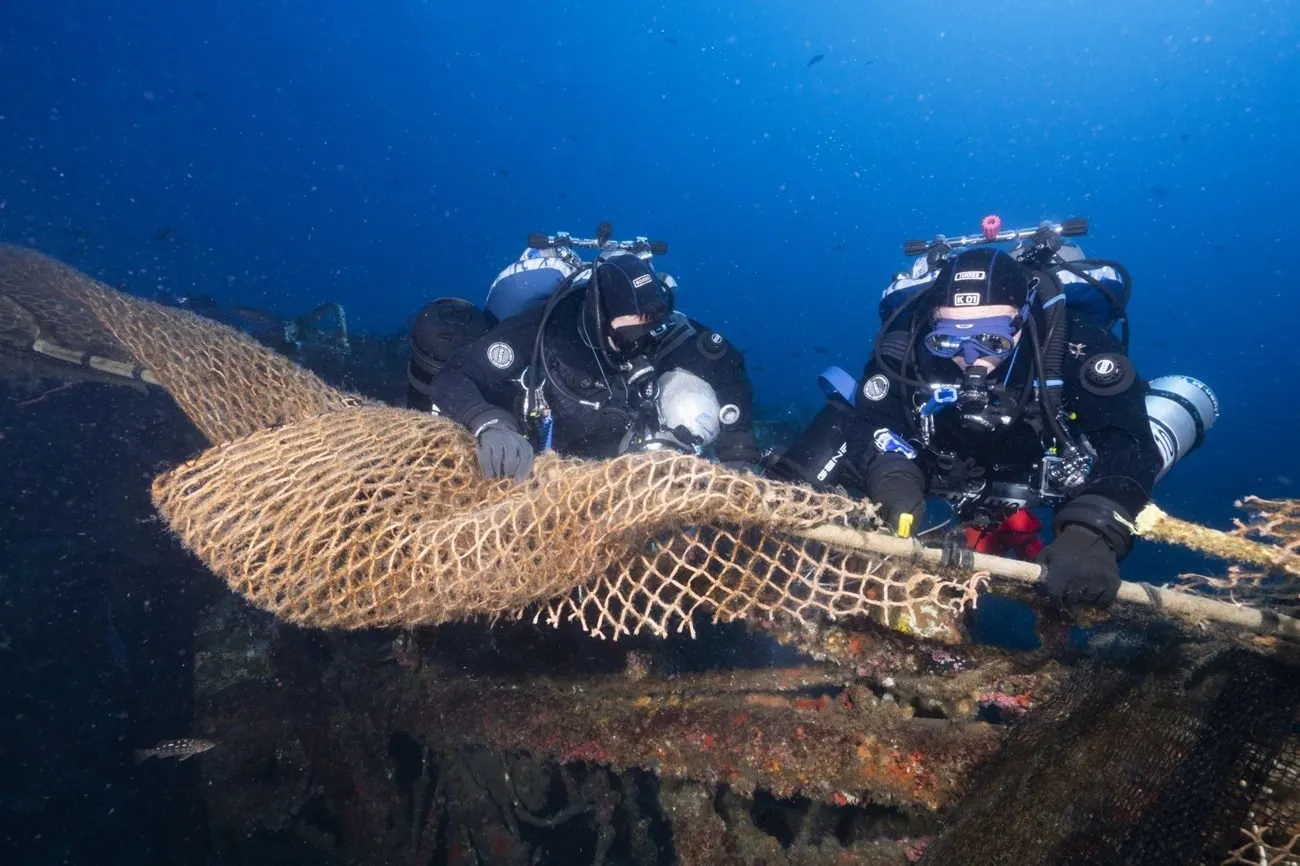
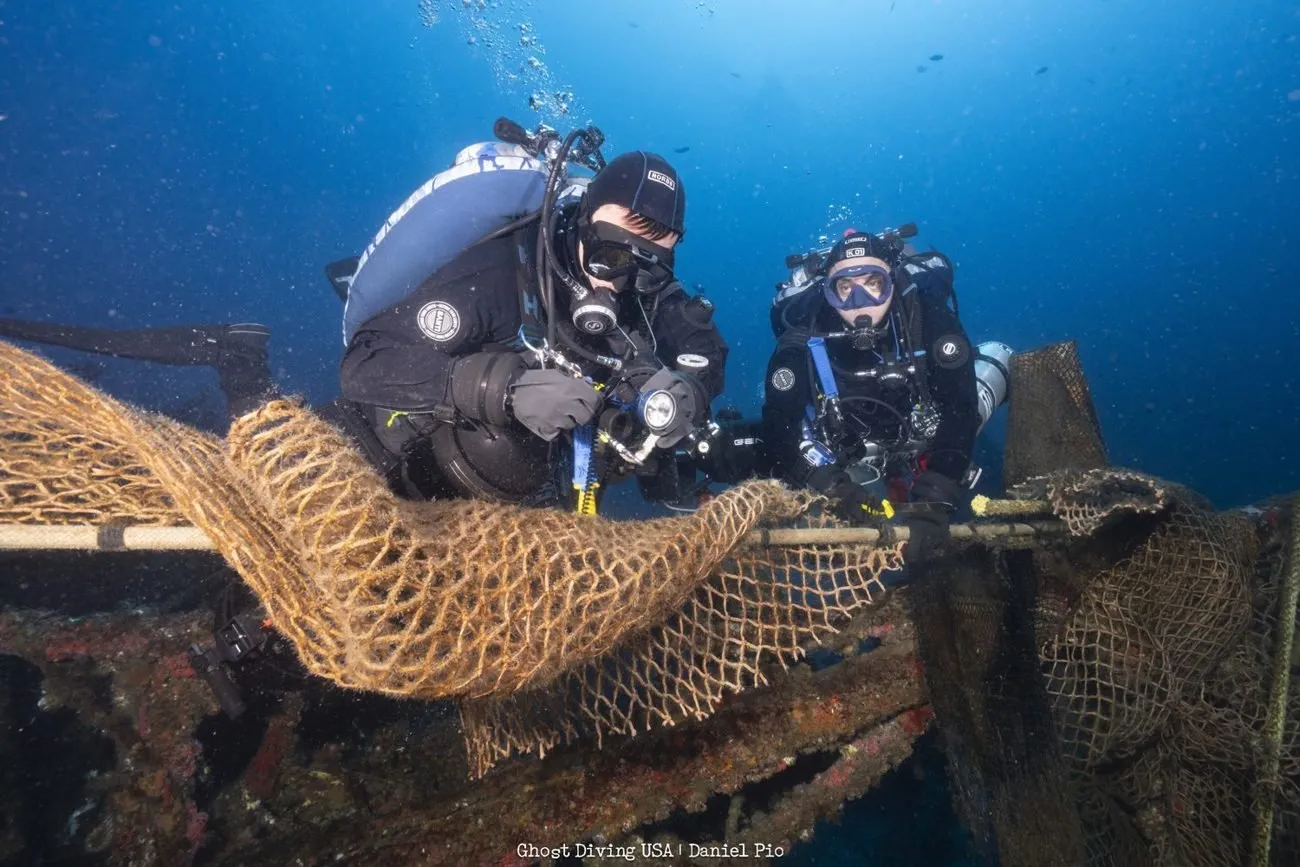
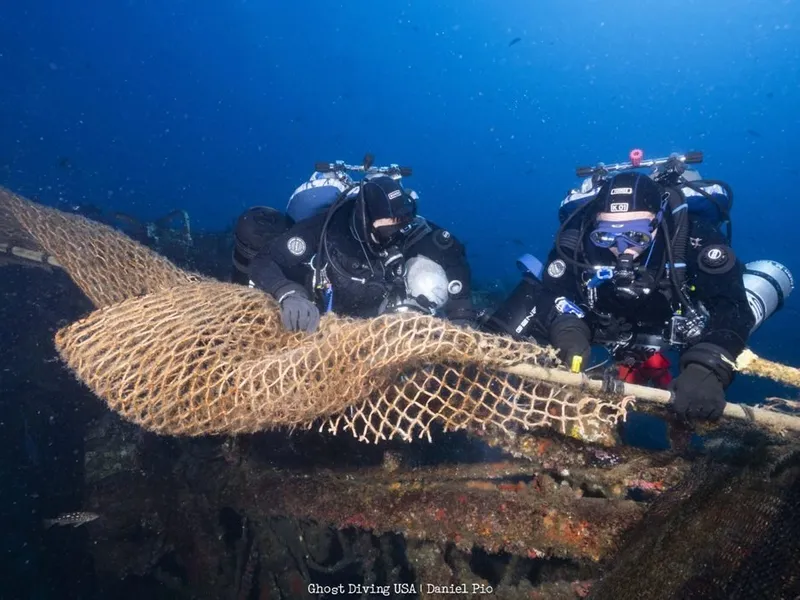
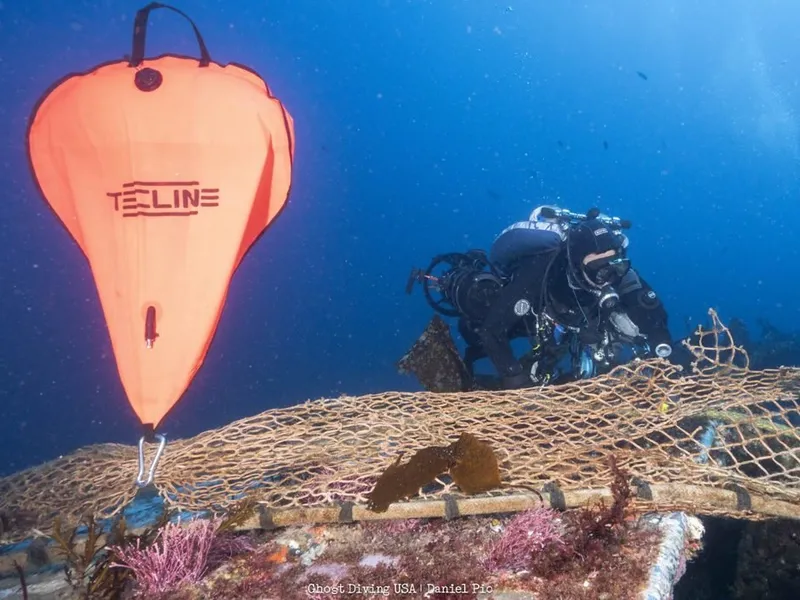
Like so many wrecks off Southern California, the Midnight Hour has become draped in lost and abandoned fishing nets. Snagged on the structure, this derelict gear keeps “ghost fishing” long after it was lost, entangling fish, invertebrates, and the marine life that now call the wreck home. Left in place, the netting also smothers the reef community growing across the hull and slowly breaks down into microplastics.
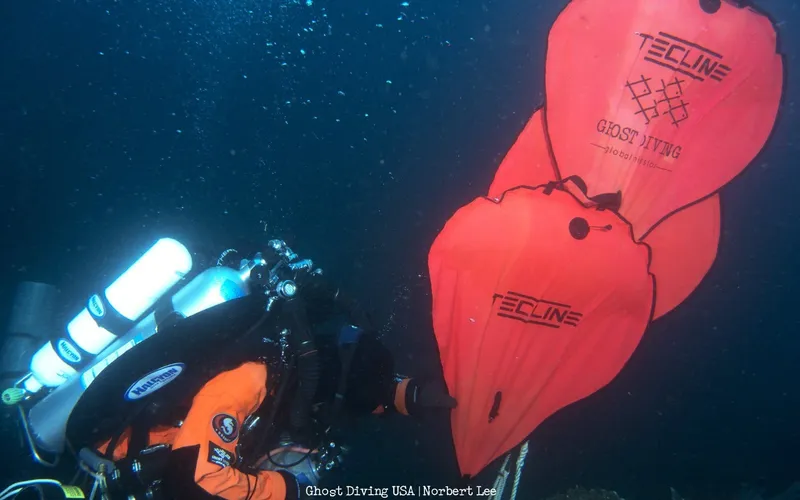
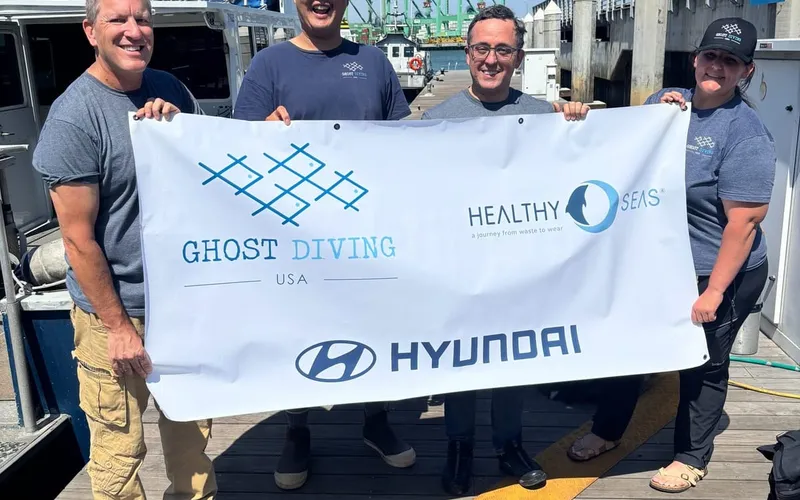
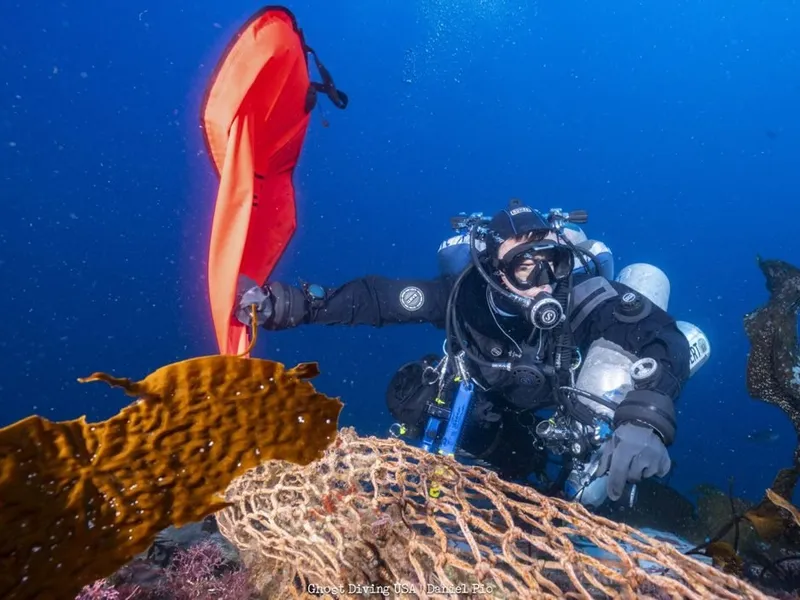
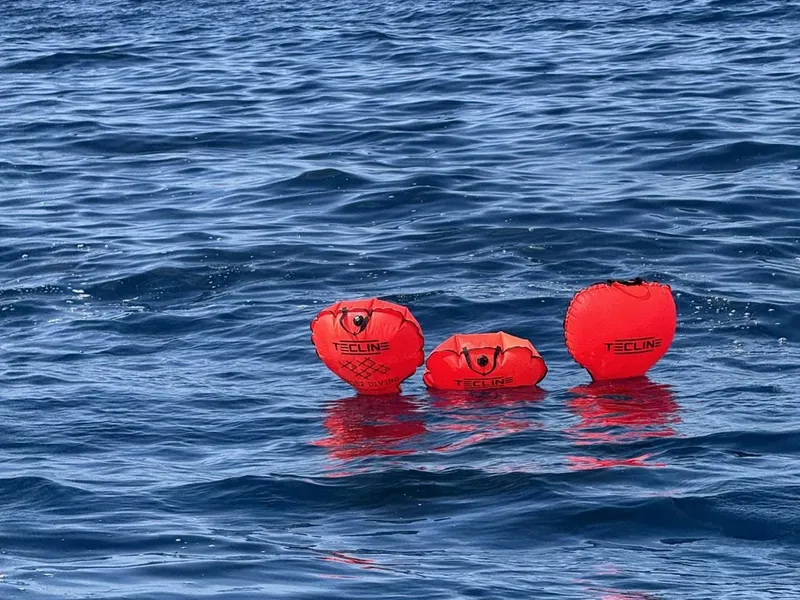
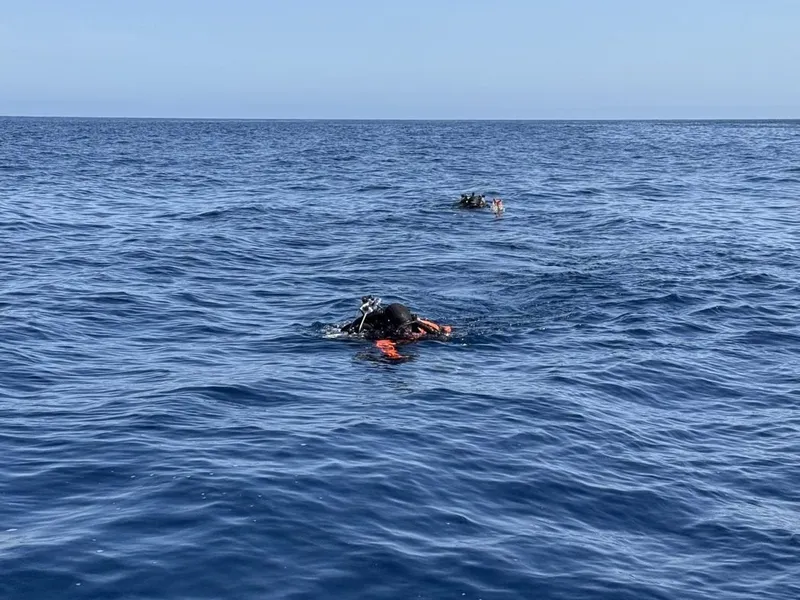
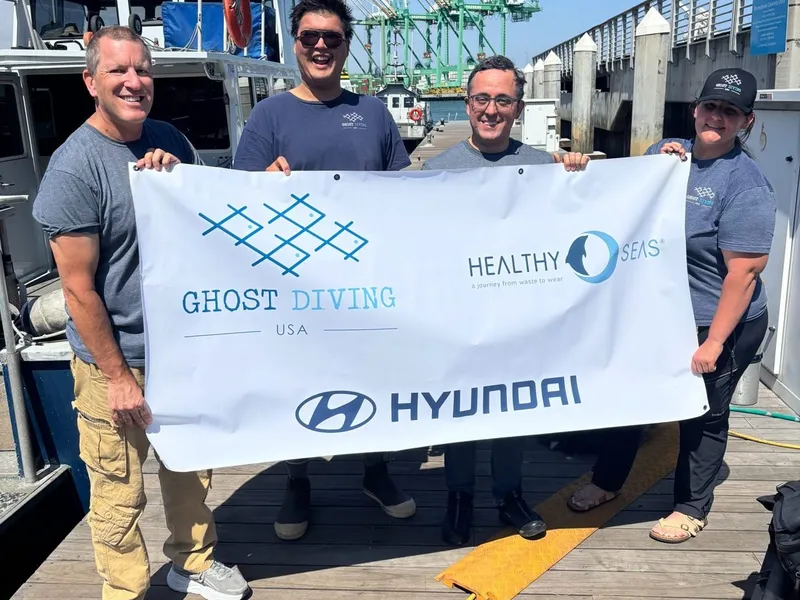
In 2026 the Midnight Hour became Ghost Diving USA’s newest active project. Working from the dive boat Giant Stride and supported by Healthy Seas and Hyundai USA, our technical dive teams descend in pairs to carefully cut away and lift the netting while documentation divers record the work. Each recovered section is bagged, raised to the surface with lift bags, and delivered to Aquafil or other local partners to be upcycled or used for outreach programs to the community.
Mission Journal
The Midnight Hour
Mission impact: Approximately 75 pounds of net (roughly 200 square feet) removed from the Midnight Hour, plus a lost water ski recovered on the ride home.
The Midnight Hour
Mission impact: 300 pounds of net removed (approximately 700 square feet) and delivered to Aquafil for recycling.
The Midnight Hour
Mission impact: Site surveyed, net located, assessed, and marked for a future recovery mission.
The Midnight Hour
Mission impact: 200 pounds of net removed (approximately 400 square feet) and sent to Aquafil for recycling.
The Midnight Hour
Mission impact: 2 large sections of net removed — approximately 500 pounds (about 1,000 square feet) — and delivered to Aquafil for recycling.
The Midnight Hour
Farnsworth Bank is a state marine conservation area (SMCA on the windward side of Catalina Island.